Menu

Company Core Positioning

We are not merely a marketing executor, but a strategic partner for the growth of enterprise online websites. Leveraging profound insights into the digital marketing industry, over a thousand practical cases, and the ability to integrate resources across platforms, we focus on providing enterprises with a complete closed-loop service of "website optimization + precise promotion + advertising placement + effect review". Whether it's the cold start of a start-up's website, the traffic breakthrough of small and medium-sized enterprises, or the brand upgrade and performance doubling of mature enterprises, we can precisely match the needs and create customized marketing plans, ensuring that every marketing investment can be converted into visible business value. 

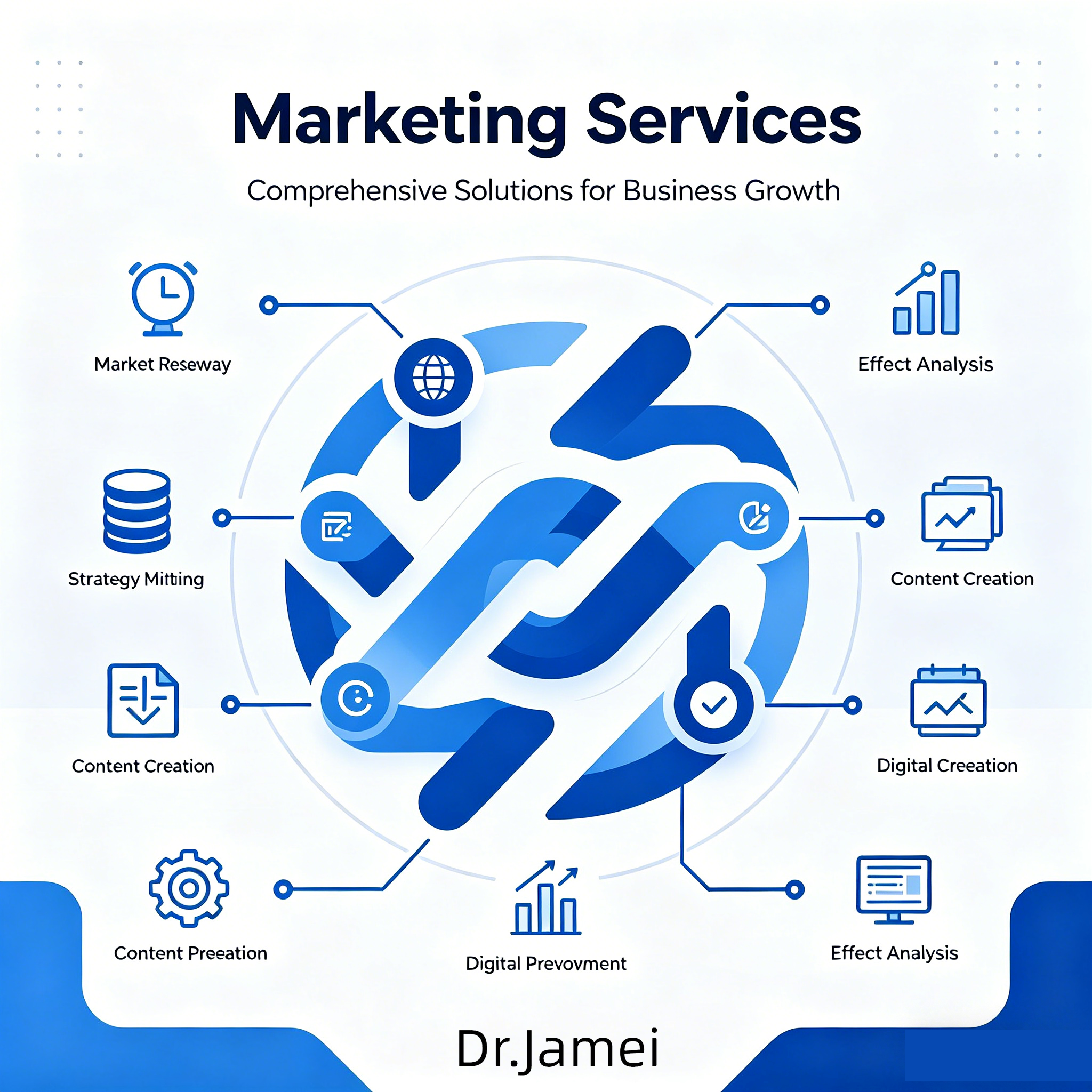
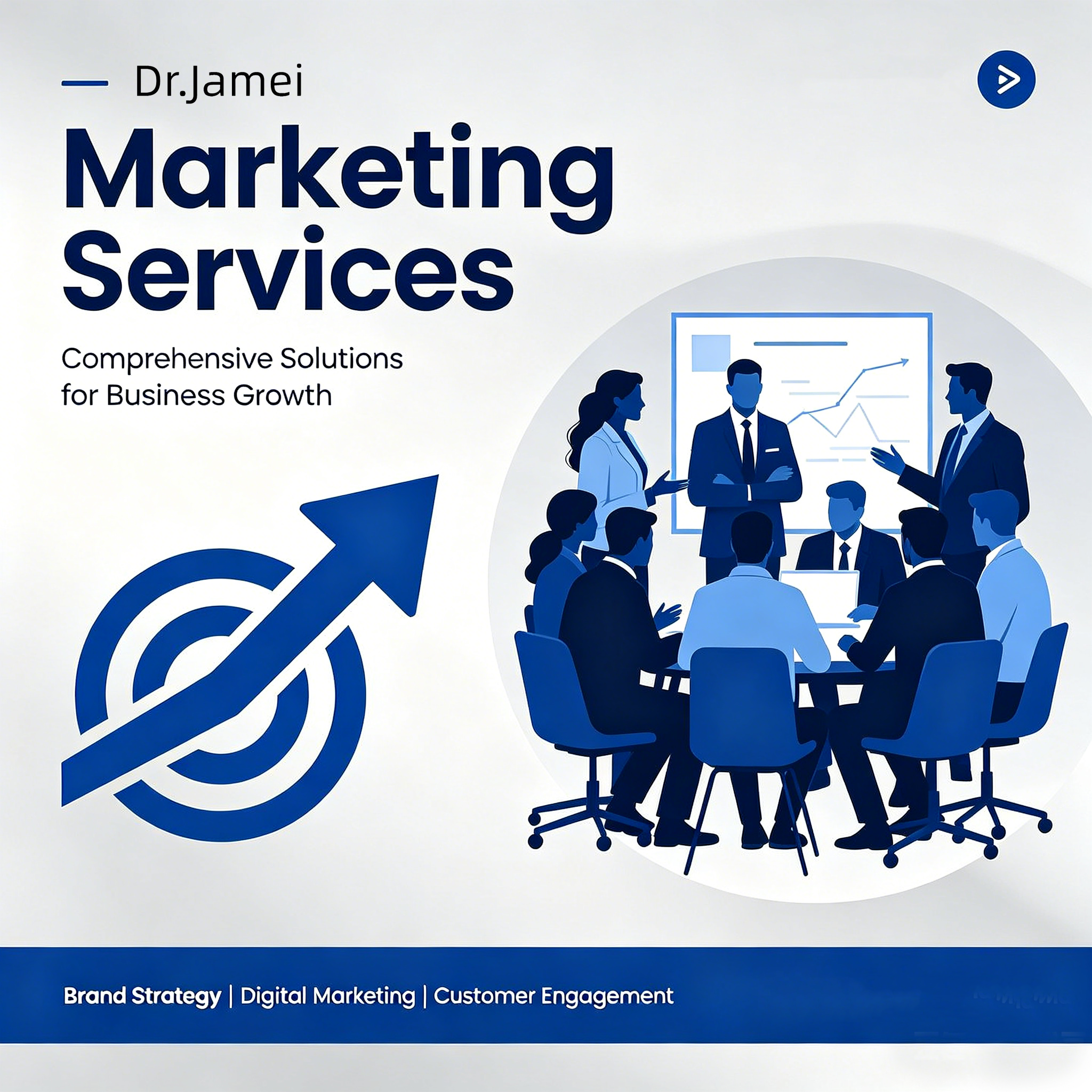
Marketing Services Introduction


1. Brand Strategy & Positioning

 
Clarify brand core value, target audience, market positioning and competitive advantages, formulate long-term brand development strategy, build unique brand image and enhance brand awareness and reputation.
 

2. Integrated Marketing Communication

 
Integrate online and offline channels including social media, search engines, content platforms, outdoor advertising and offline activities, deliver consistent brand information in an all-round way, expand brand exposure and reach potential customers efficiently.
 

3. Content Marketing

 
Create high-quality content such as articles, videos, infographics, short videos and live broadcasts, provide valuable information for users, attract audience attention, enhance user stickiness and promote natural conversion through valuable content output.
 

4. Digital Advertising

 
Carry out targeted delivery on search engines, social platforms, e-commerce platforms and vertical media, including SEM, social media ads, display ads and programmatic advertising, realize accurate user matching and improve advertising conversion efficiency.
 

5. Social Media Operation

 
Manage official accounts on mainstream social platforms, update content interactively, maintain fan relationships, launch online campaigns and topic interactions, enhance brand activity and build close communication with consumers.


6. Public Relations & Reputation Management

 
Maintain media relations, release press releases, respond to public opinions, monitor online reputation, eliminate negative information, shape positive brand image and enhance brand credibility.


7. Event Marketing

 
Plan and execute offline exhibitions, product launches, salons, experiential activities and online challenges, topic events, enhance on-site interaction, stimulate topic communication and boost product sales and brand influence.


8. Market Research & Analysis

 
Conduct market research, competitor analysis, consumer behavior research and data monitoring, provide data support for marketing decisions, optimize marketing strategies and improve marketing effect continuously.


9. E-commerce Marketing

 
Provide store operation, product page optimization, live streaming marketing, promotion planning, member operation and other services for e-commerce platforms, boost store traffic and product sales volume.


10. Customer Relationship Management

 
Establish user database, carry out precision marketing and member maintenance, improve customer loyalty and repurchase rate, and realize long-term value transformation of customers.

How to Measure the Effectiveness of Marketing Services

Measuring marketing effectiveness usually relies on quantitative data + qualitative evaluation, covering traffic, conversion, brand, cost, and long-term value. Here is a complete and practical evaluation system:


1. Traffic & Reach Metrics

Impressions & Reach: Total exposure, number of unique users reached

Traffic volume: Website visits, social media views, clicks (CTR)

Audience growth: New followers, subscribers, community members

2. Conversion & Sales Metrics

Conversion rate: Clicks → leads → trials → purchases

Cost per conversion (CPA / CPL): Cost to acquire one lead or customer

Sales volume & revenue: Direct sales driven by marketing

ROAS (Return on Ad Spend): Revenue generated per unit of advertising cost

3. Cost & Efficiency Metrics

CAC (Customer Acquisition Cost): Total cost to acquire a paying customer

CPC / CPM / CPL: Unit cost of clicks, impressions, leads

Budget completion rate & waste rate

4. Brand & Engagement Metrics

Engagement rate: Likes, comments, shares, favorites, watch time

Brand awareness & recall: Changes in brand search volume, survey results

Brand sentiment: Positive/negative/neutral feedback ratio

Share of voice: Brand exposure compared with competitors

5. User & Long-Term Value Metrics

LTV (Lifetime Value): Total revenue from a customer over time

LTV/CAC ratio: Key indicator of marketing health

Retention rate & repurchase rate

Churn rate

6. Goal & Strategy Metrics

KPI completion rate vs. preset goals

A/B test results: Which creative/channel performs better

Channel performance comparison: Which platform brings the best ROI

7. Common Evaluation Logic

Set clear goals: brand building / lead generation / direct sales

Choose matching indicators

Track data before and after marketing

Compare with industry benchmarks and competitors

Optimize channels, content, and budget based on data

Nginx server needs to configure pseudo-static rules, click View configuration method